
Innovation within the AEC walls
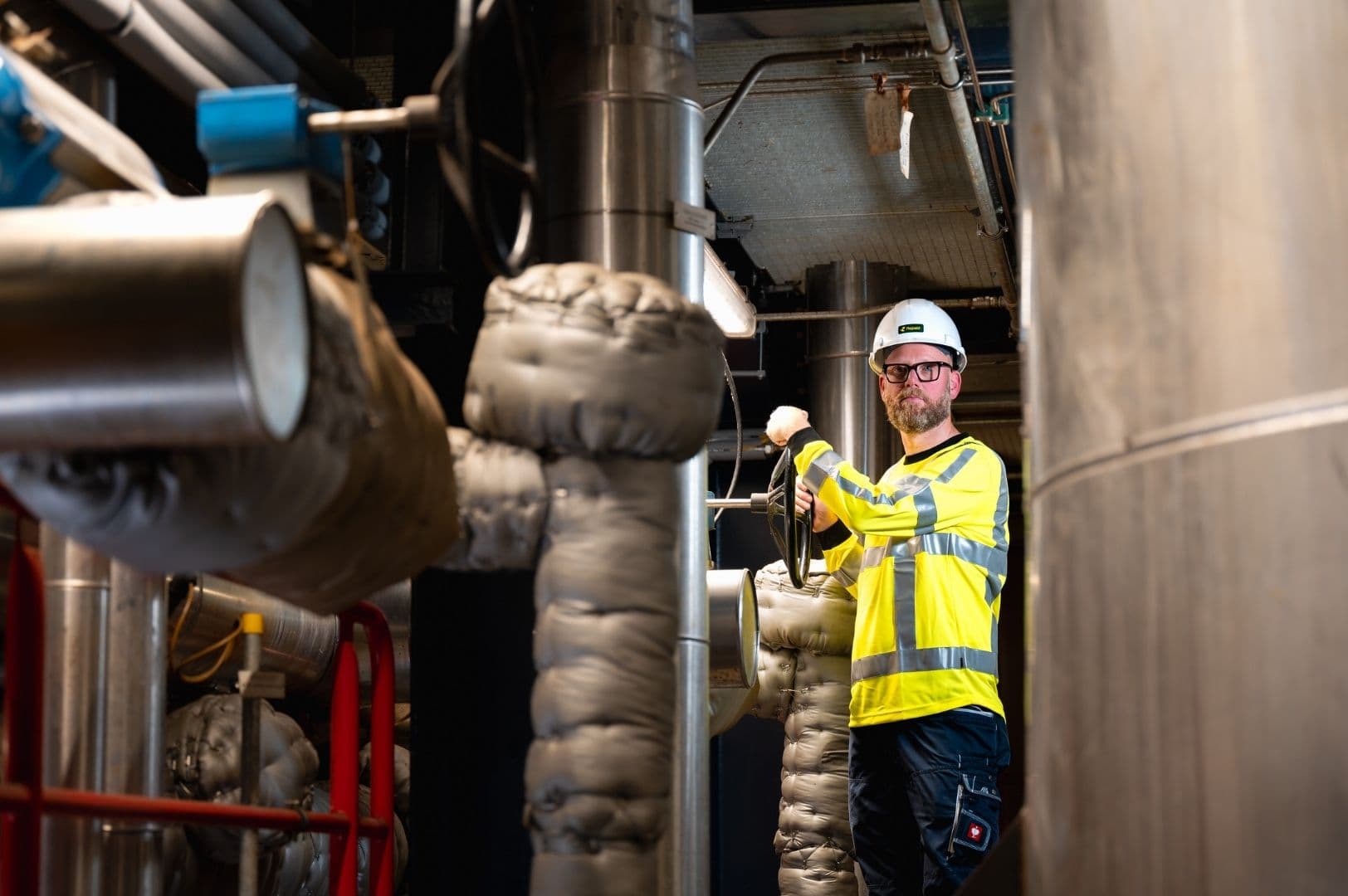
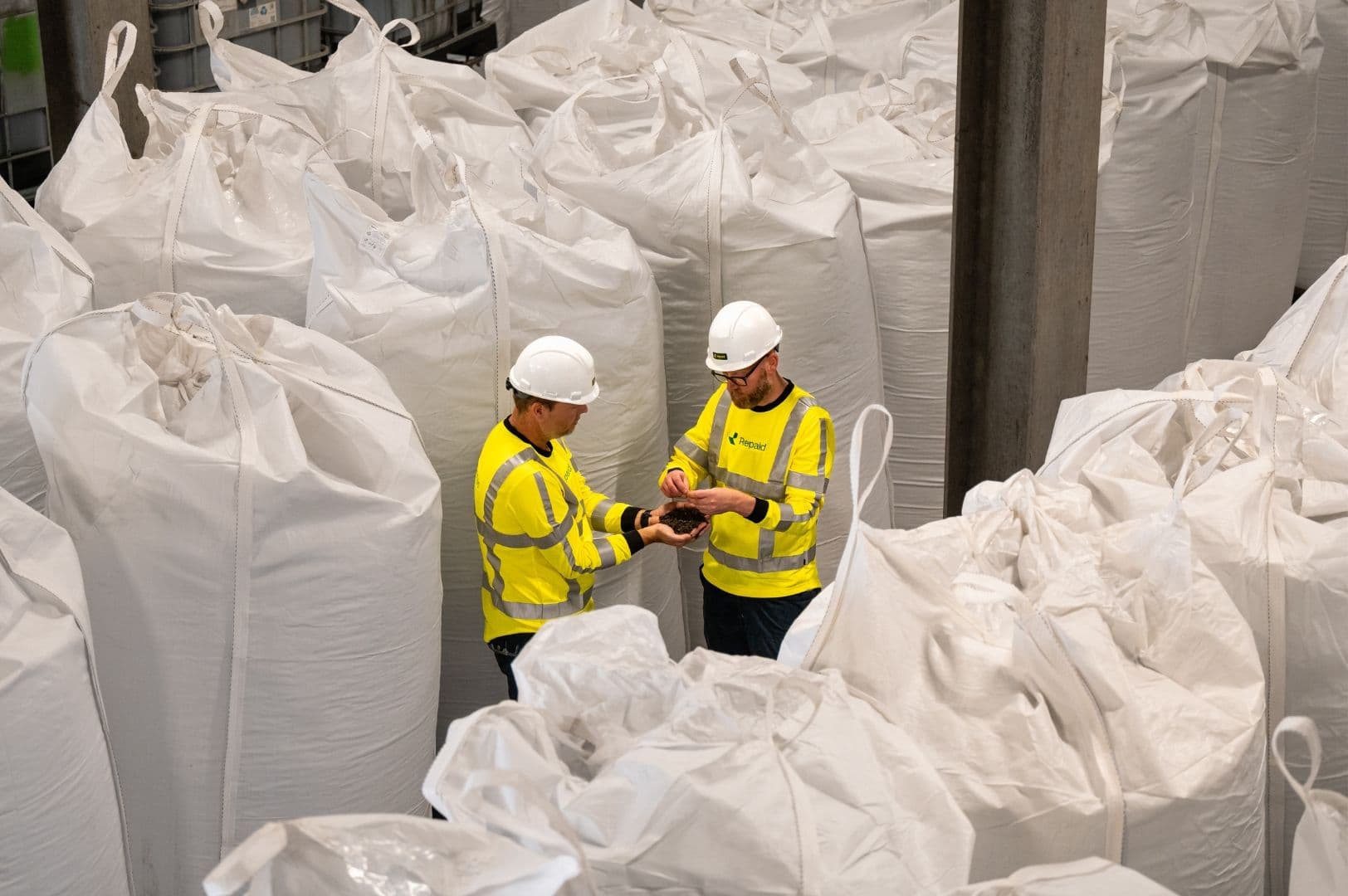
An innovative example of how waste-to-energy plants (WEPs) can contribute to sustainability is the collaboration with Repaid. We have developed technology for the recycling of diapers and incontinence products. These waste streams account for a staggering 8% of all residual waste and are often incinerated, which leads to CO₂ emissions and loss of raw material. Repaid's patented technology enables 95% recovery of raw materials and saves 964 kg of CO₂ equivalents per ton of diaper waste.
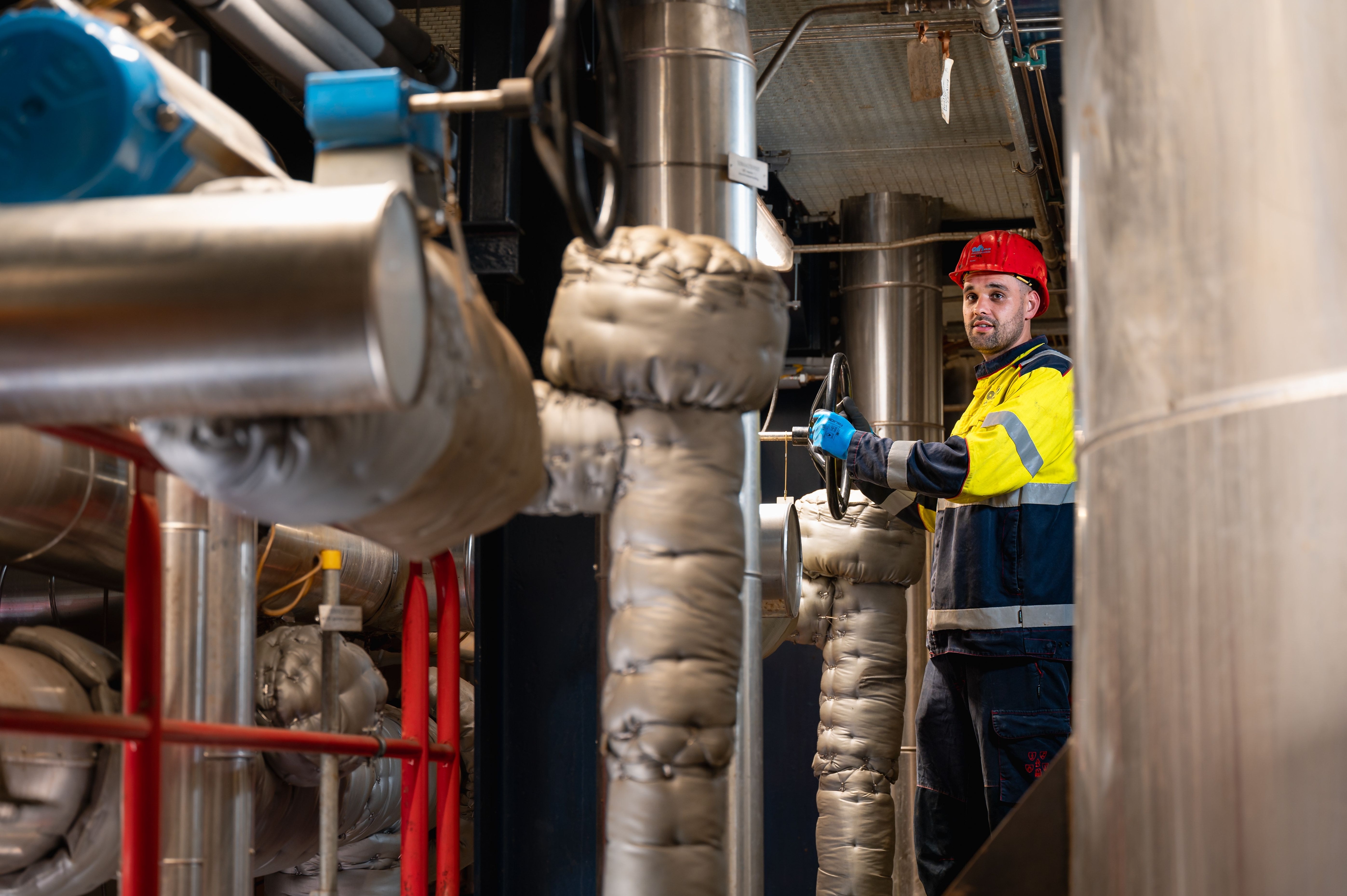
Repaid's technology is modular and can be integrated into existing AECs like a 'Lego block'. This enables waste processors to make their processes more sustainable and contribute to the circular economy. The world's first diaper recycling plant, with a capacity of 15 kilotons per year, was built in collaboration with the waste-to-energy plant ARN in Nijmegen.
The role of the Clean Industrial Deal
These developments tie in seamlessly with the European Union's recently presented Clean Industrial Deal (CID), which focuses on circularity and decarbonisation. One of the goals is to adopt the Circular Economy Act (CEA) in 2026 to accelerate the circular transition and ensure that scarce materials are used and reused efficiently. The aim is to use 24% of materials circularly (CMUR) by 2030. The Netherlands is leading the way with a CMUR of more than 24%, which offers opportunities for the export of Dutch technologies such as those of Repaid.
Catalyst for change
Repaid's technology fits in perfectly with the objectives of the Clean Industrial Deal. By recycling diapers and recovering raw materials, waste-to-energy plants contribute to the reduction of waste and CO₂ emissions. In addition, this technology helps reduce dependence on primary raw materials that are often imported from other continents, which is essential for a circular economy.

Time for a change of mentality
Repaid is convinced that collaboration is key. Waste-to-energy plants have the infrastructure and scale to make an impact. Together with our partners, we can realise the technology to extract valuable materials from used diapers. Together, we can create a closed loop and contribute to the European goals for circularity and decarbonisation.
In addition, The Netherlands must use their leading position. With a CMUR of more than 24%, we are leading the way in Europe. This offers opportunities to roll out our technology internationally and help other countries increase their recycling capacity. However, this requires political support and willingness to invest.
The Clean Industrial Deal offers an excellent opportunity for this. Harmonisation of end-of-waste criteria and incentives for recycling capacity can accelerate the transition. Waste-to-energy plants can play a crucial role in this and drastically
reduce their CO2 emissions, provided the investment climate allows for innovation.
So it's time to say goodbye to the polluting image of waste-to-energy plants and transform them into the engine of the circular economy. Together, we can reduce CO₂ emissions from our collectively used fossil products, recover valuable raw materials and contribute to a sustainable future. The technology is there. The ambition is there. It's now up to the sector and politicians to take action.