
HUMAN, Wat houdt ons tegen? - Uit de luiers, 12-06-2024 | Subtitles available
Collection points
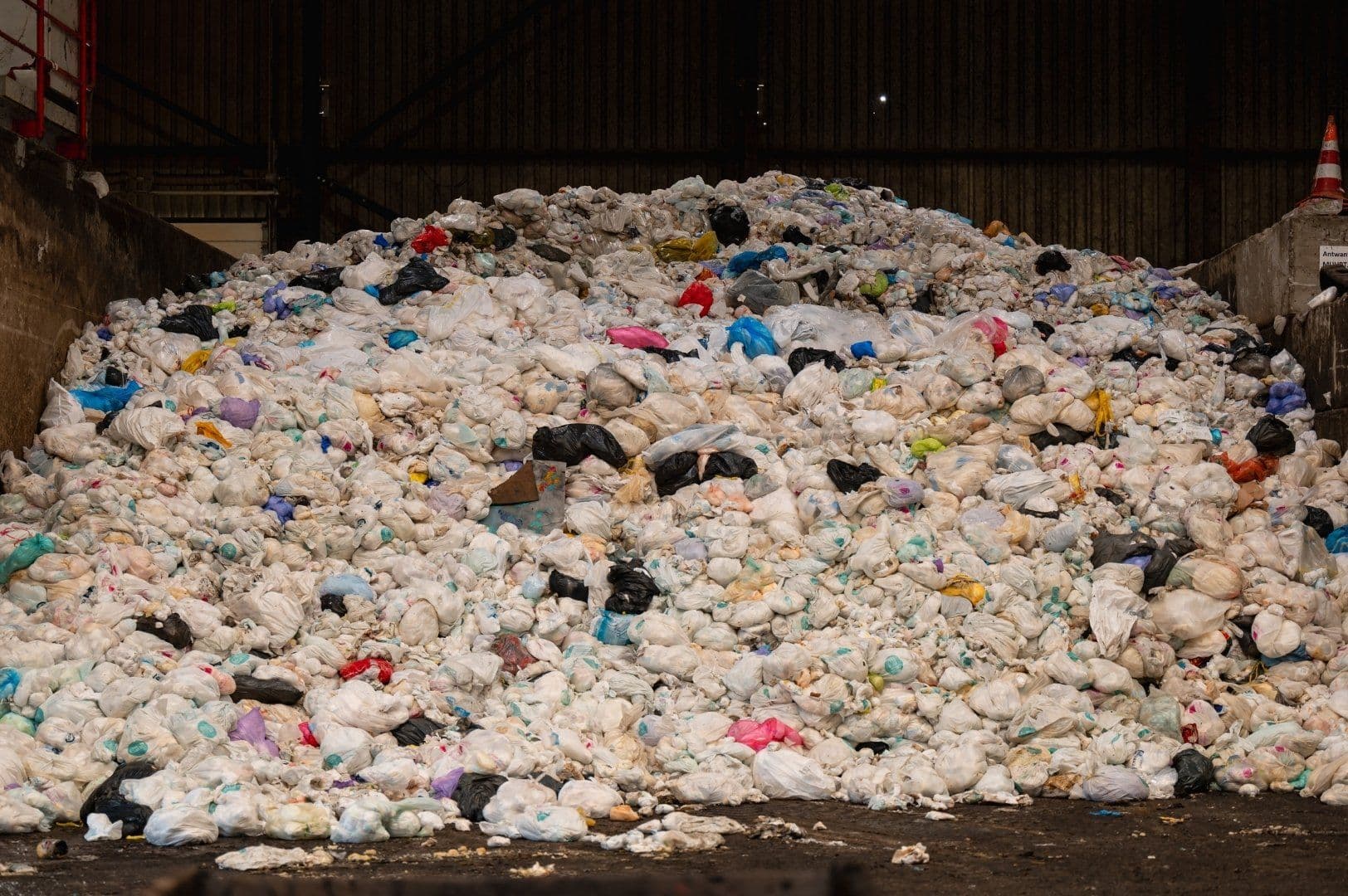
There are collection points for diaper waste throughout the Netherlands. In central locations, but also near daycare centres, for example, there are separate containers to dispose of this waste separately. In addition, ARN has partnerships with nursing homes for the collection of incontinence materials. This will relieve the burden on approximately 40 municipalities, an area with approximately one million inhabitants. At the plant in Weurt, approximately 4% of Dutch diaper waste arrives via these routes.
Normally, this goes into the incinerator with all other waste. And all the plastics that the diapers are mainly made of cause CO2 emissions. Emissions that can be prevented. And that's exactly what the Repaid installation at ARN does.
Making an impact
By recycling, we have the potential to make a significant impact on emissions in the Netherlands. Diaper waste is a much bigger problem than you might think. Diapers and incontinence materials together account for 8% of the total residual waste in our country.
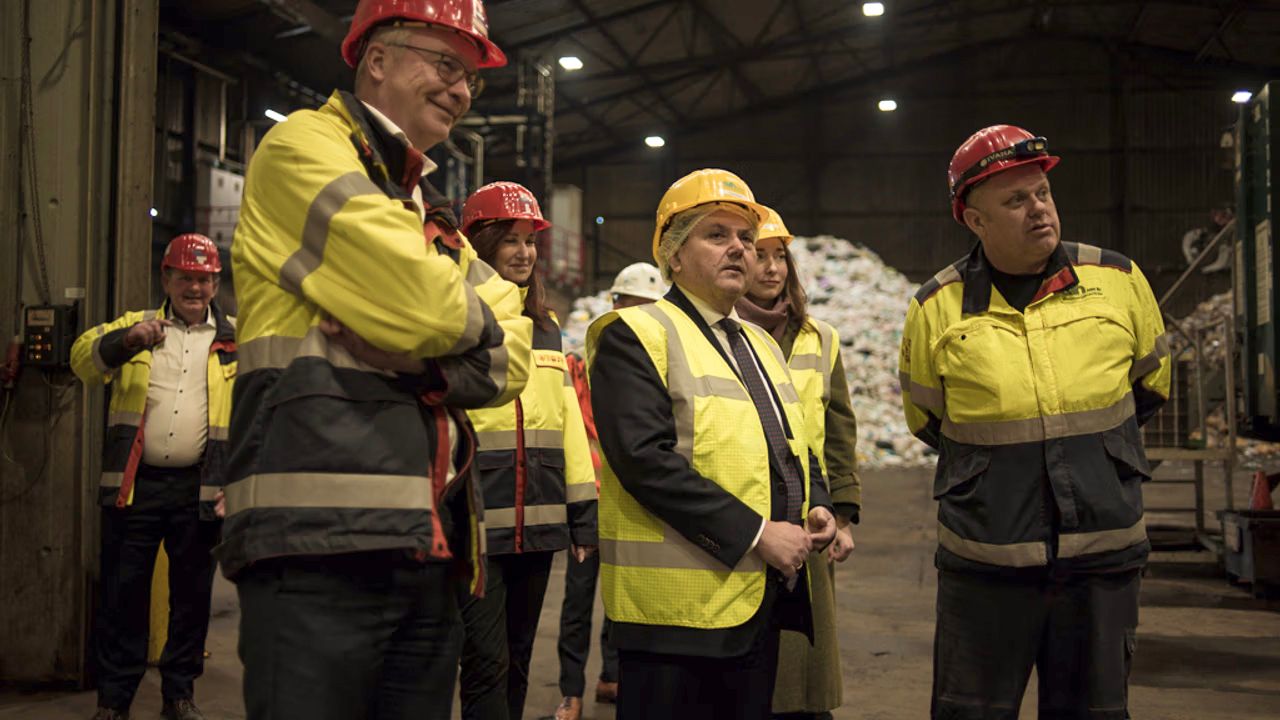
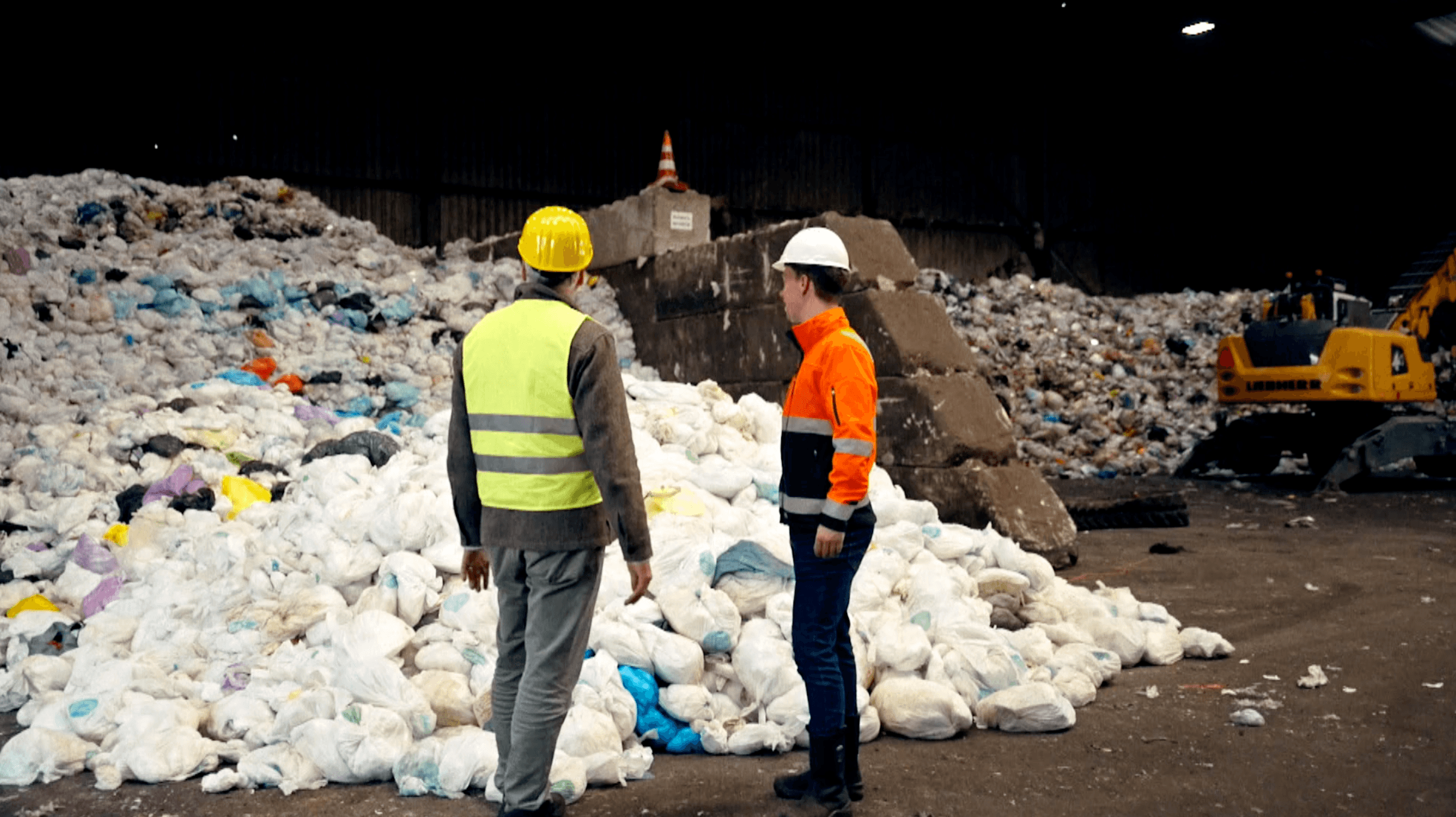
Chris Jansen, State Secretary for the Environment, also saw with his own eyes how Repaid's diaper recycling works.
Fortunately, there are plenty of developments in this area, also when we look at laws and regulations. The Dutch government has reached a milestone with the recently published draft decision Extended Producer Responsibility (EPR) for diapers and incontinence products. This also means that diaper manufacturers must become responsible for the collection and recycling of their products. All lights are therefore green for more plants like the one in Weurt.
One in three collected diapers are still incinerated
We know society is enthusiastic and prepared to collect diaper waste separately. Both municipalities and citizens. In fact, we already collect more separated diaper waste than we have recycling capacity. Of the 23 kilotons of diaper waste collected separately in 2023, the factory can only process two-thirds. Even if you throw the diapers in the special container, there is still a chance they will simply end up in the incinerator.
Simon Frans, value chain manager at Repaid: "The answer lies in scaling up recycling capacity. There are already enthusiastic parties ready to build larger new factories. If the permitting processes run smoothly again, they can become operational in 2027."
Future-proof by keeping moving
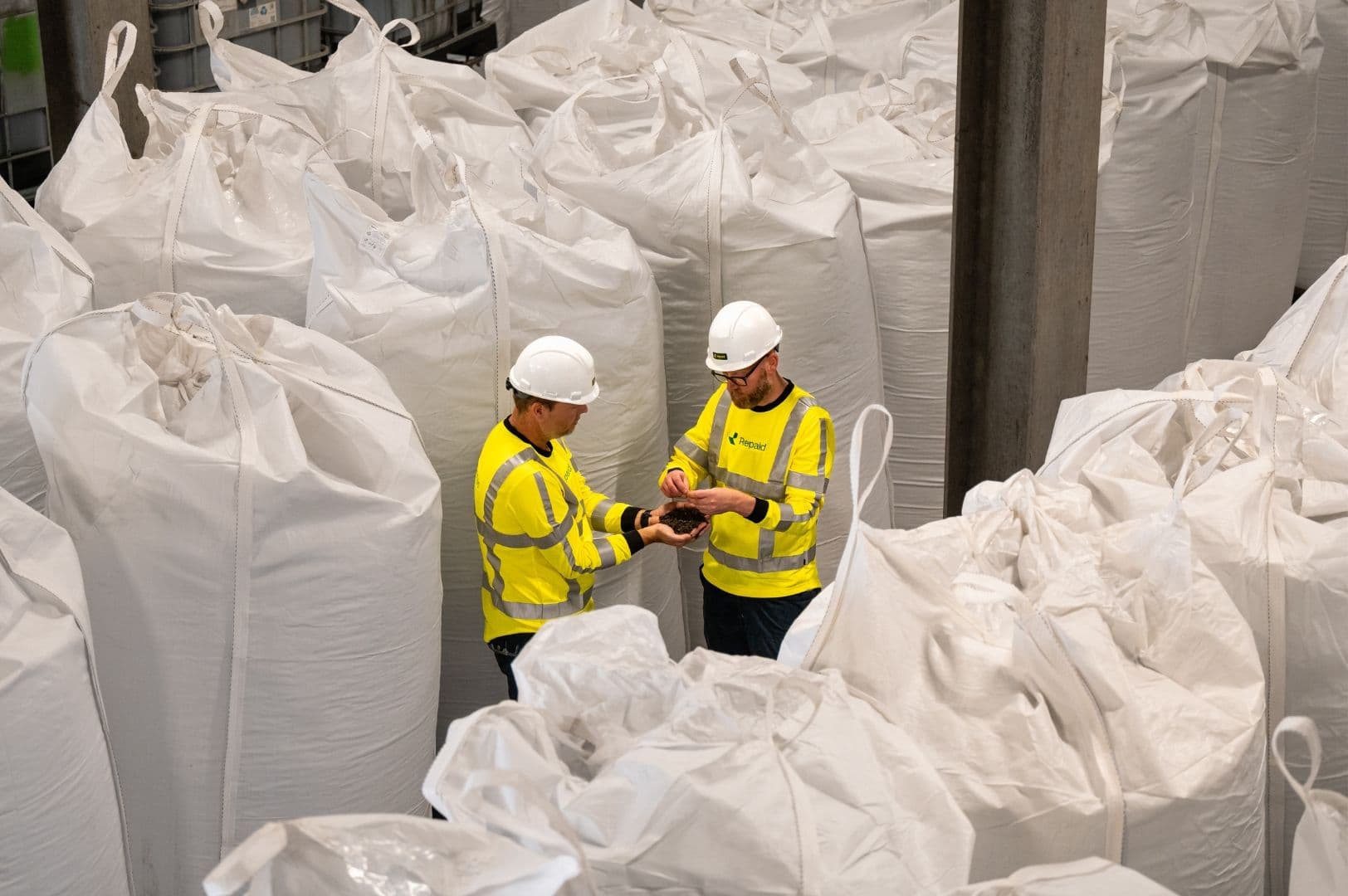
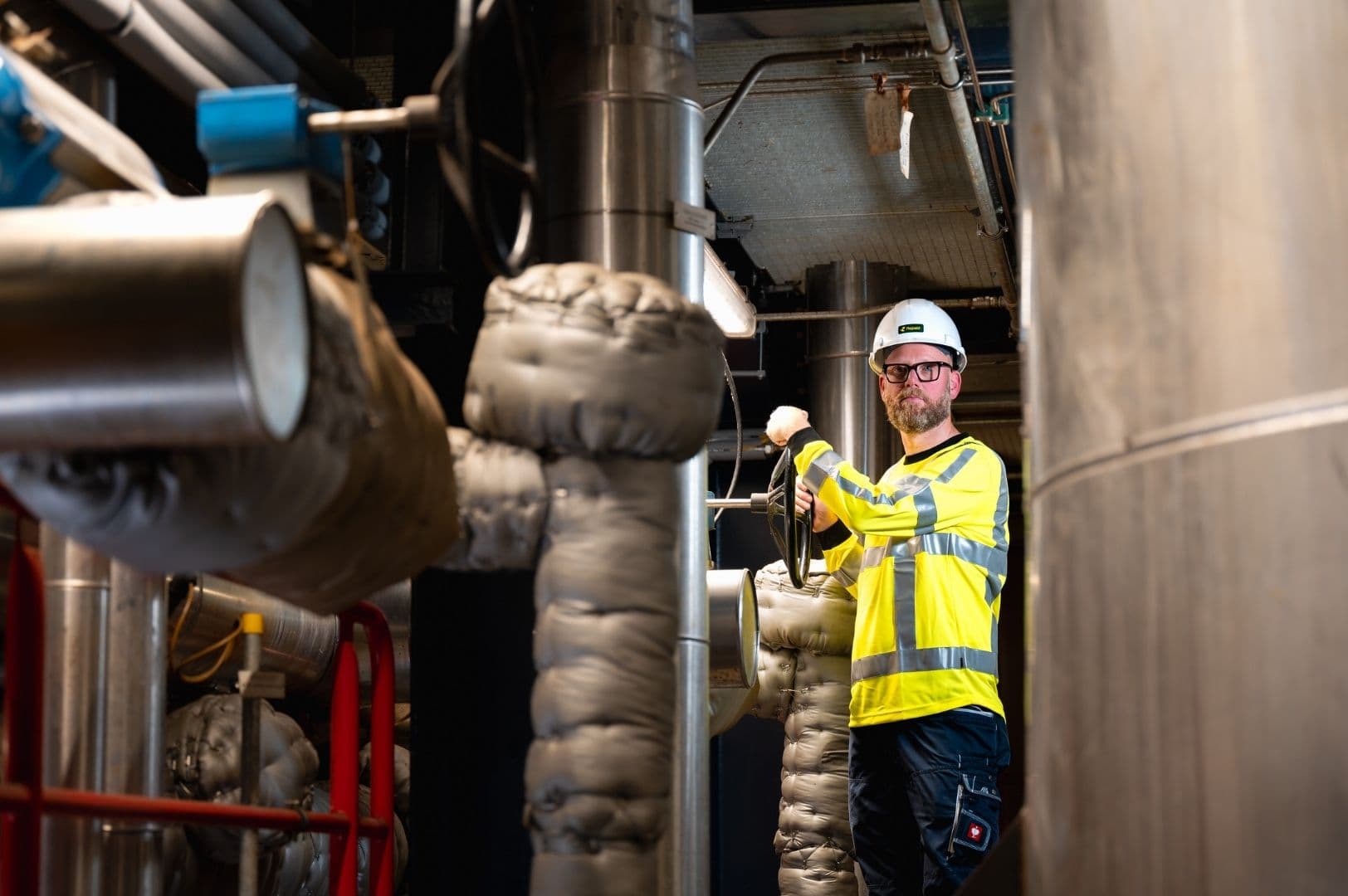
Our technology never stops developing. With over 40 years of experience in the recycling industry, Repaid knows better than anyone that diaper recycling technology is continuously improving. Because our technology is made available under licence to waste processors, all future innovations will also be available for existing installations. Every installation built in collaboration with Repaid is therefore future-proof.