
A technological solution to a logistical challenge
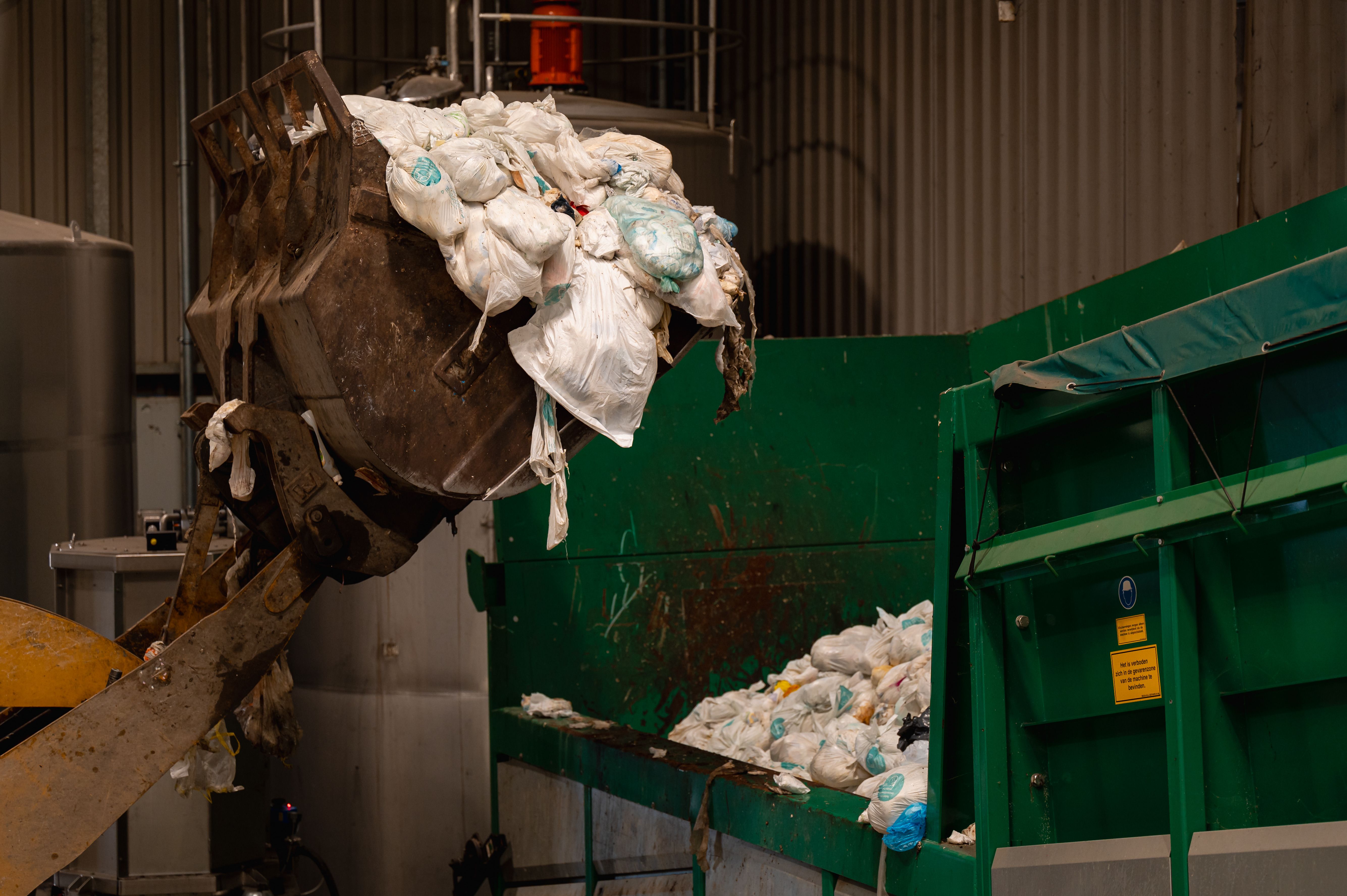
Within the waste sector, there is much discussion about the ideal collection method to recover raw materials. Source separation, where citizens sort the waste themselves, is often preferred for the purity of the stream. Post-separation, in which mechanical installations remove diapers from residual waste afterwards, on the other hand, offers optimal convenience for citizens and efficient scaling up for processors.
For Repaid's TDH technology (Thermal Pressure Hydrolysis), however, the origin of the diaper is not the determining factor for success. Practical experience shows that our installations can flawlessly transform both streams into sterile raw materials. This offers municipalities the much-needed flexibility in their waste policy.

Context: the pressure on residual waste is increasing
The need to keep diapers out of the incinerator is becoming increasingly urgent. The sector faces major challenges due to changing market conditions and increasing pressure on the carbon footprint. Instead of being a linear end point, waste-to-energy plants will function as the driving force behind circularity with our Repaid technology.
It is actually very logical: every kilo of diaper waste we recycle does not have to go into the incinerator. At a time when legislation is becoming stricter and society demands real solutions, recycling is simply the smartest strategic move for waste processors.
Guaranteed hygiene, regardless of the separation route
It is often thought that diapers from post-separation are not clean enough for recycling. That is a misunderstanding. Whether a diaper comes from a separate bin or a sorting line, our technology makes no distinction. Bacteria and drug residues do not survive the process.
The result is a sterile product that meets strict industrial standards. Whether the diaper arrives at our facility via a separate diaper bin or an advanced sorting line, the output remains constant: high-quality plastics, cellulose for biogas or composting, and polymers from SAP for use in building materials.
Working together on a circular future
For Repaid, the choice between source separation or post-separation is not a barrier. We offer a technology that allows both paths to lead to the same goal: a world where waste is once again a valuable raw material.
Curious how a Repaid system fits into your current processes? Let's compare the options. Contact us for a no-obligation (online) consultation.