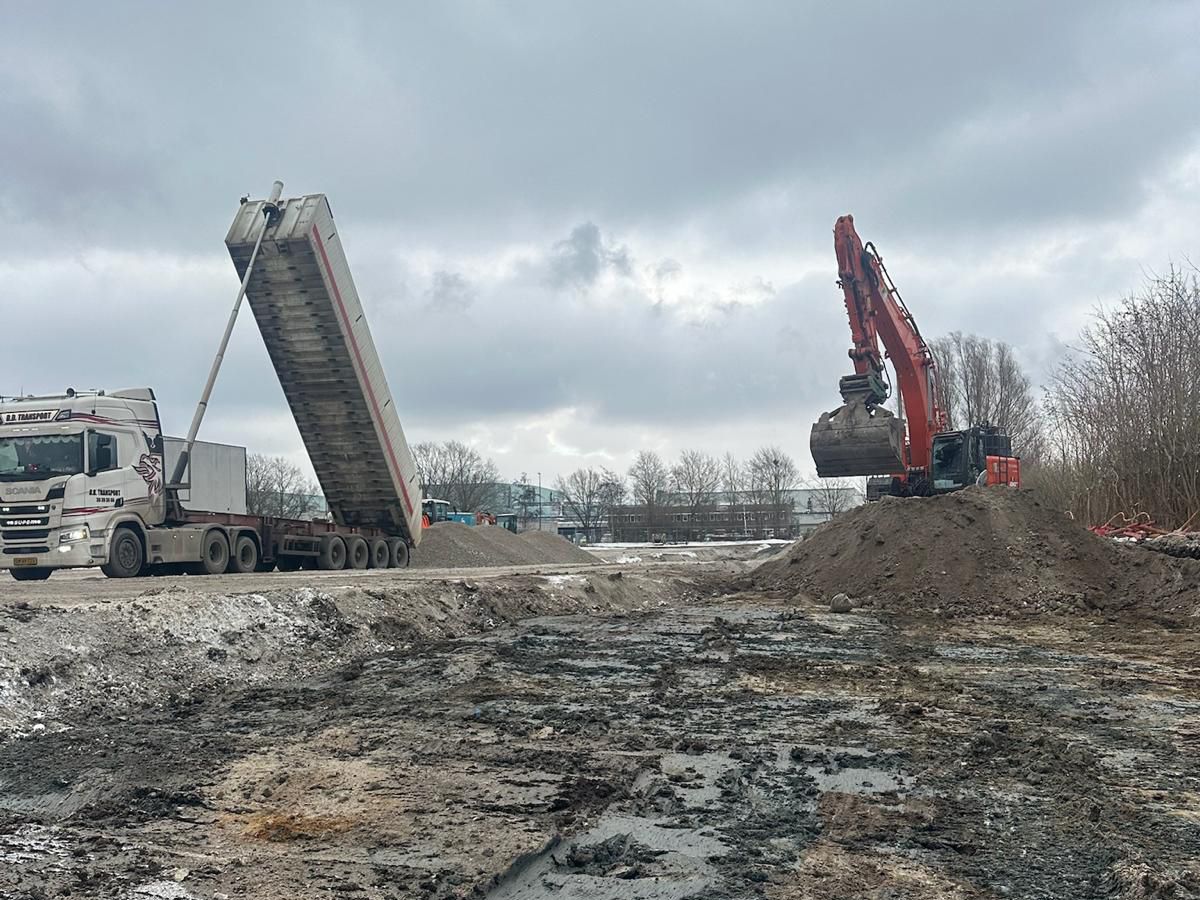
The new facility in Hvidovre is scheduled to be operational by January 2027. In its initial phase, the plant will process up to 10,000 tonnes of used diapers and incontinence products annually. The impact is substantial: an estimated 46 million diapers are used in Copenhagen every year. Given that diaper waste accounts for an average of 8% of household residual waste in both Denmark and the Netherlands, the potential for driving the circular transition is enormous.
High-value recovery: From diaper to dashboard
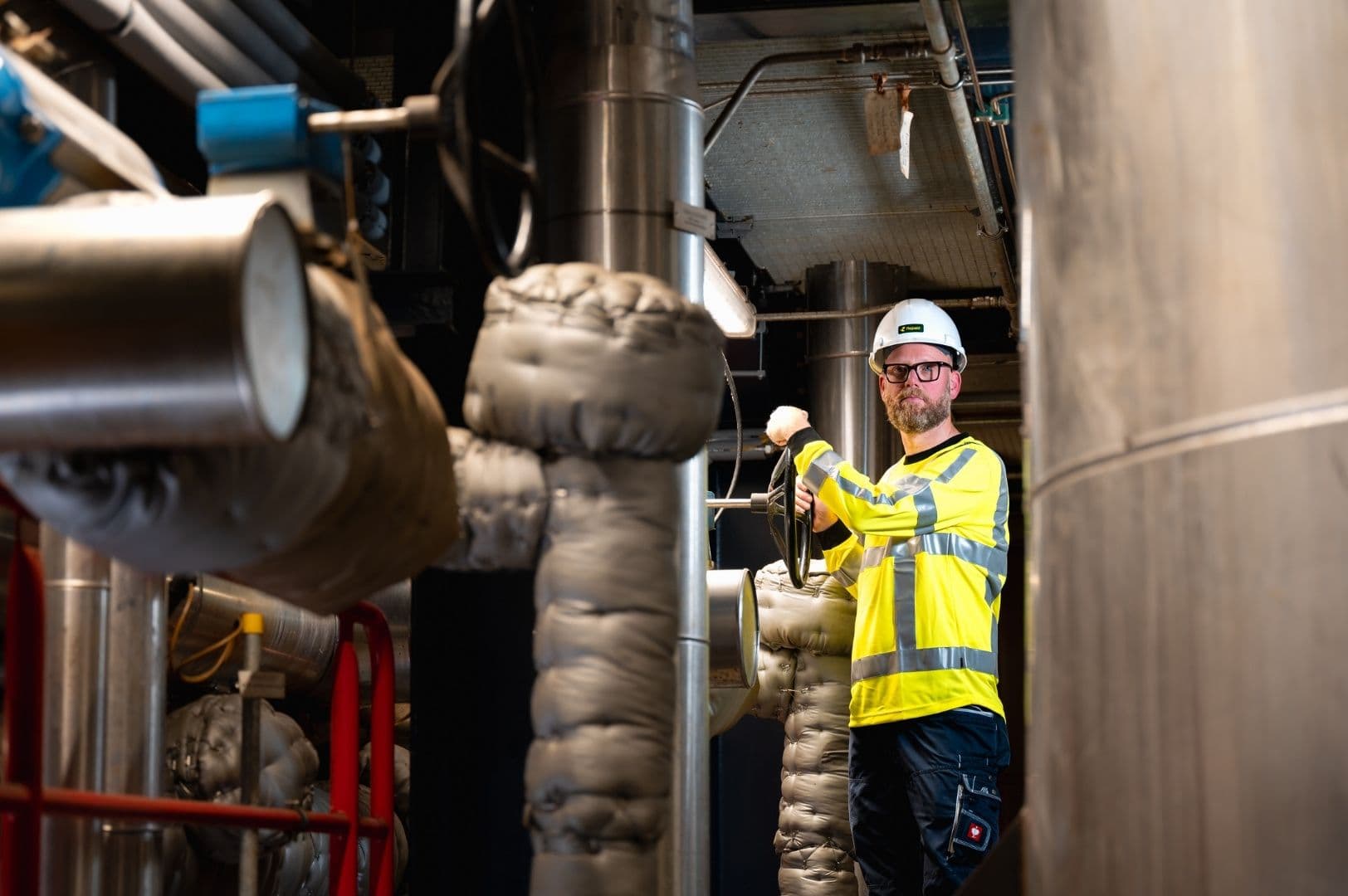
At the core of the installation lies Repaid’s proprietary Thermal Pressure Hydrolysis (TPH) technology. This process enables the recovery of up to 95% of materials, resulting in significant CO₂ savings.
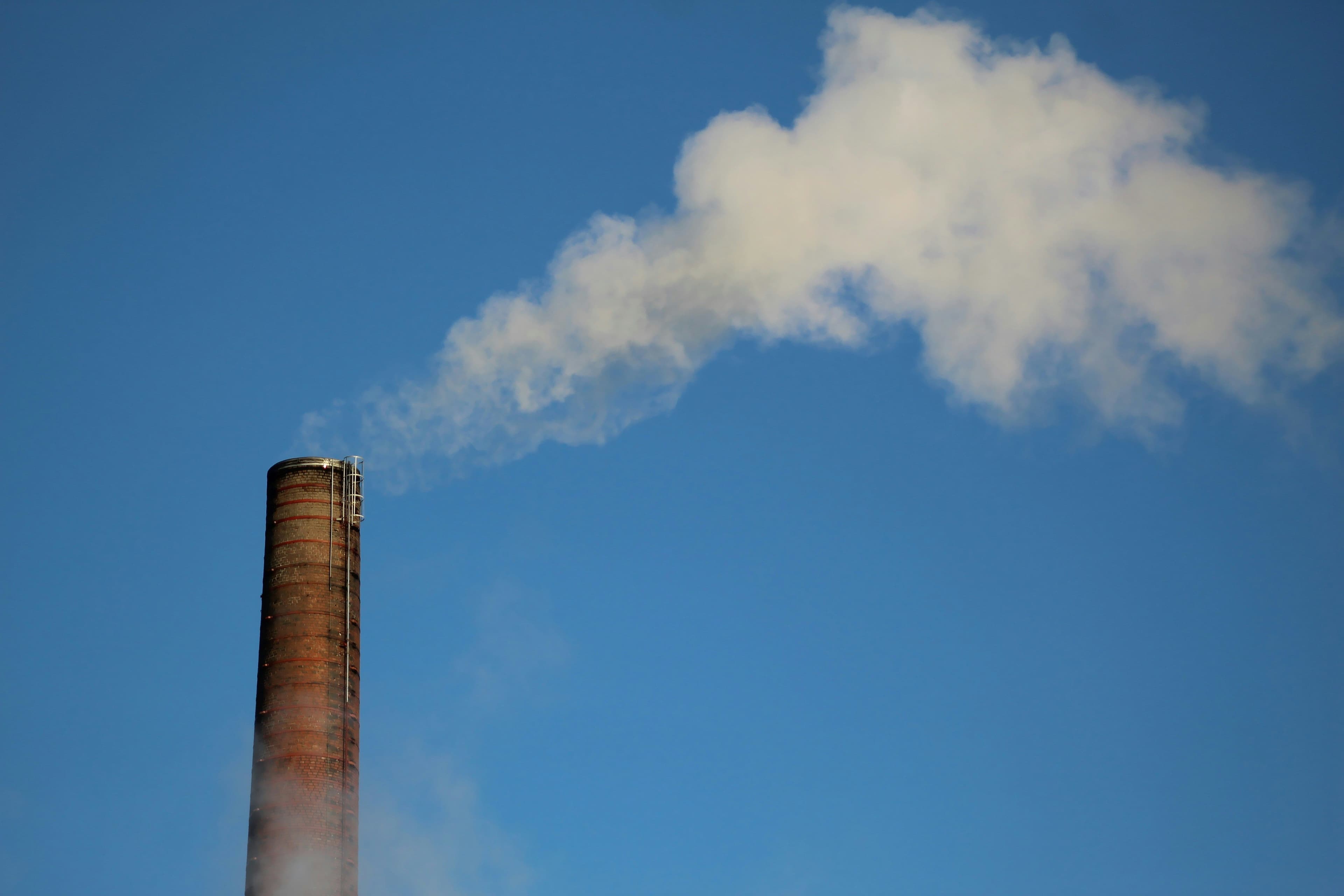
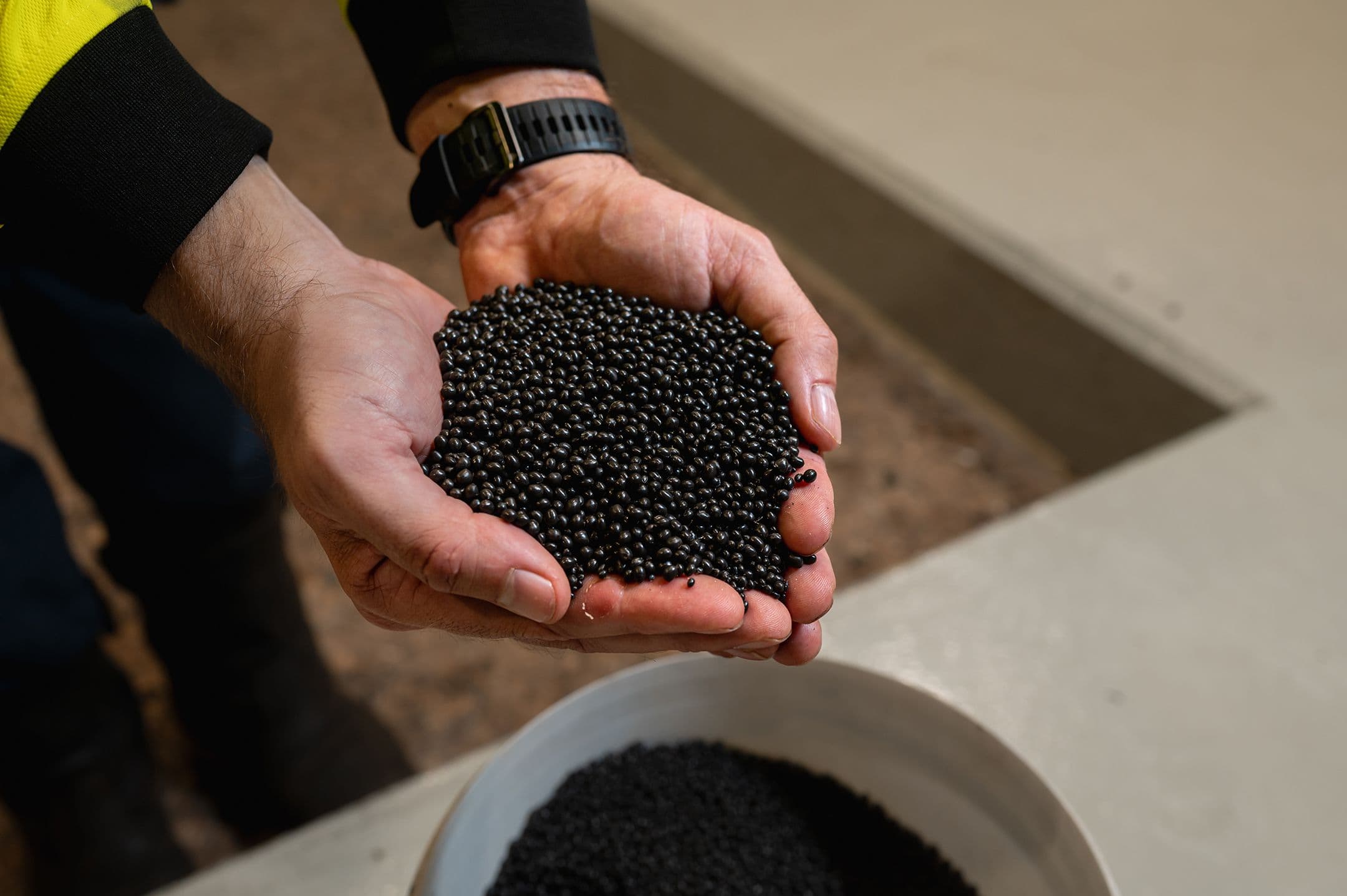
Instead of being sent to energy-from-waste plants for incineration, valuable raw materials are converted into high-purity plastic granules. These serve as the foundation for high-end applications, such as automotive dashboard components or mounting systems for solar panels.
CEO Jouke Elsinga emphasises the importance of this step:

Building on proven success
The realisation of this plant follows a successful 2022 pilot in the municipality of Copenhagen. The trial proved that residents are more than capable of separating diaper waste at the source. Line Barfod, City Councillor for Technical and Environmental Affairs, also highlights the benefits: "The climate advantage of recycling diapers instead of incinerating them is vast. Copenhagen has many young children, so the potential for impact is immense."
For Repaid, this project represents a logical progression from the facility developed in collaboration with the waste-to-energy plant ARN in Weurt. The new Danish factory will leverage this Dutch expertise alongside the latest innovations in circular processing.
Contributing to European targets
With this project, Repaid is directly addressing the European Clean Industrial Deal. The EU aims to achieve a Circular Material Use Rate (CMUR) of 24% by 2030. While the Netherlands has already reached this target, exporting this technology provides essential opportunities for the rest of Europe to follow suit.
According to Simon Frans de Vries, Project Development Manager at Repaid, several municipalities around Copenhagen have already expressed strong interest in supplying diapers to the project, reflecting growing momentum across Europe. “By establishing a dedicated diaper recycling facility in Denmark, Repaid’s technology significantly enhances its scalability and replicability across Europe, directly contributing to a future-proof circular economy.”
Outlook
While the initial capacity is set at 10,000 tonnes, the installation is technically designed for expansion to 15,000 tonnes per year, contingent upon the further development of local collection systems. With this expansion, Repaid is setting the international standard for the future of diaper recycling.