
HUMAN, Wat houdt ons tegen? - Uit de luiers, 12-06-2024 | Subtitles available
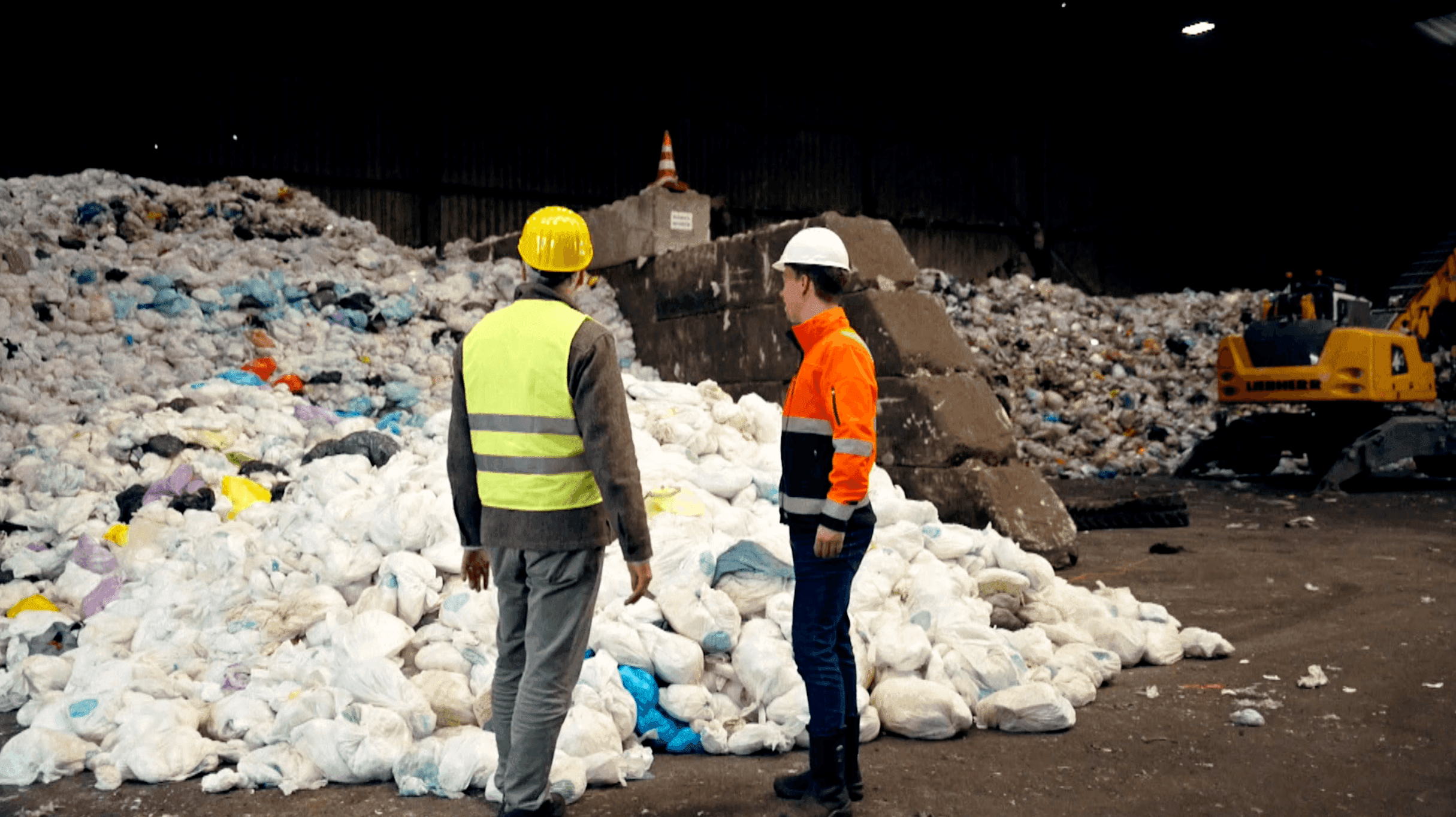
In part 1, we recently saw Wat houdt ons tegen? (HUMAN) visit our diaper recycling plant in Weurt. Today, we will take you even further into the process. Repaid's Simon Frans takes us through the plant, showing how dirty diapers are pumped into the system through yellow pipes and how the waste is transformed into high-quality raw materials. In this second part, we delve even deeper into the technology: the journey from waste diapers to pure plastic granules and fibres.
- 1. Reception and sanitisation
In the reception unit, staff first unload the collected diaper waste. After being loaded into the system, it is cut and pumped into the steam reactor, where all bacteria are killed and any medicine residues are broken down at approximately 250 °C. This creates a completely clean mass without the use of chemicals.
- 2. Filtering, washing and drying plastics
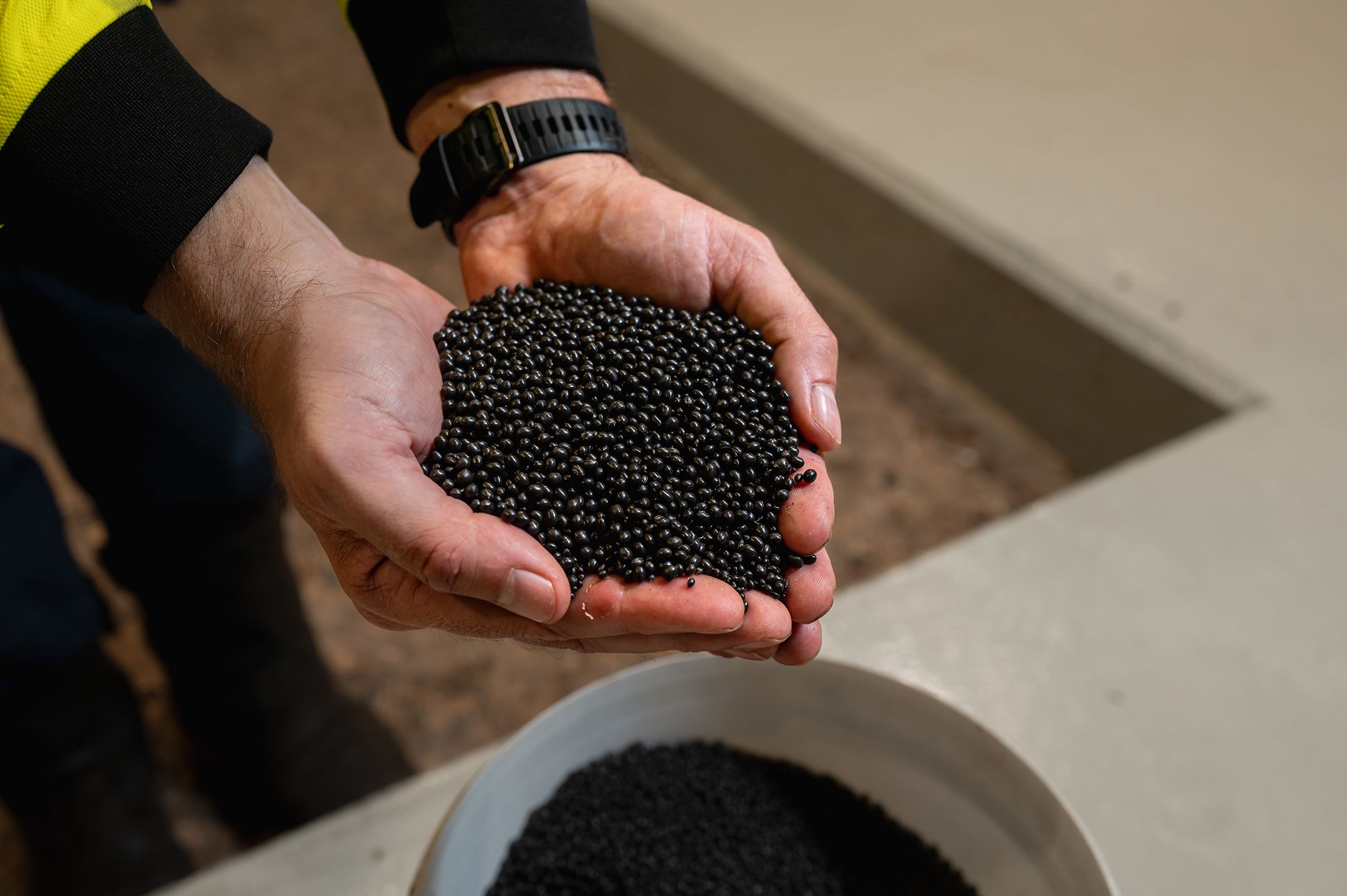
After the steam treatment, the mass moves to a liquid bath. Plastics are washed and start to float due to their lower density. They are skimmed off with a flotation system and then dried and packaged. This produces pure plastic, ready to use for high-quality recycling, such as in the automotive industry.
- 3. Centrifugation of cellulose particles
The remaining slurry, rich in organic fibres (cellulose), moves to a centrifuge. The high centrifugal force efficiently separates fibres from water and finer particles. This creates a clean cellulose fraction, which can be used for fermentation into biogas, the remainder of which is compost.
- 4. Insulation made from SAP polymers
Super absorbent polymers (SAP), which retain moisture in the diaper, can be recovered from the liquid as a polymer concentrate using a new separation technique. This is then used as a binding agent in concrete or insulating building materials, for instance. The only remaining element is water, which can be reused as condensate for various high-quality processes.
Thanks to these smart combinations of existing thermal and mechanical systems and processes, Repaid achieves up to 95% material recovery and a CO₂ saving of over 960 kg per ton of diaper waste processed.
From granule to dashboard
The recycled plastic granules meet existing quality requirements for extruders and quickly find their way into the Dutch and German manufacturing industries. Examples include car dashboards and many consumer products, which can be recycled again after many years of reuse.
The power of this technique
- Only steam and physical separation: no chemicals, minimal environmental impact.
- Modular scalability: licence-ready set-ups that connect to existing energy or steam supplies and logistics.
- Future-proof: suitable for all types of disposable diapers and organic variants, with expansion options for new raw materials.
Want to experience for yourself how dirty diapers are turned into circular raw materials?
Feel free to contact us for a tour of our plant in Weurt and discover the technological revolution from within.